

Starlink satellites are returning to Earth at an unprecedented rate, with up to four deorbiting daily as of October 2025. This surge has sparked renewed concerns over atmospheric pollution and the growing complexity of managing space debris.
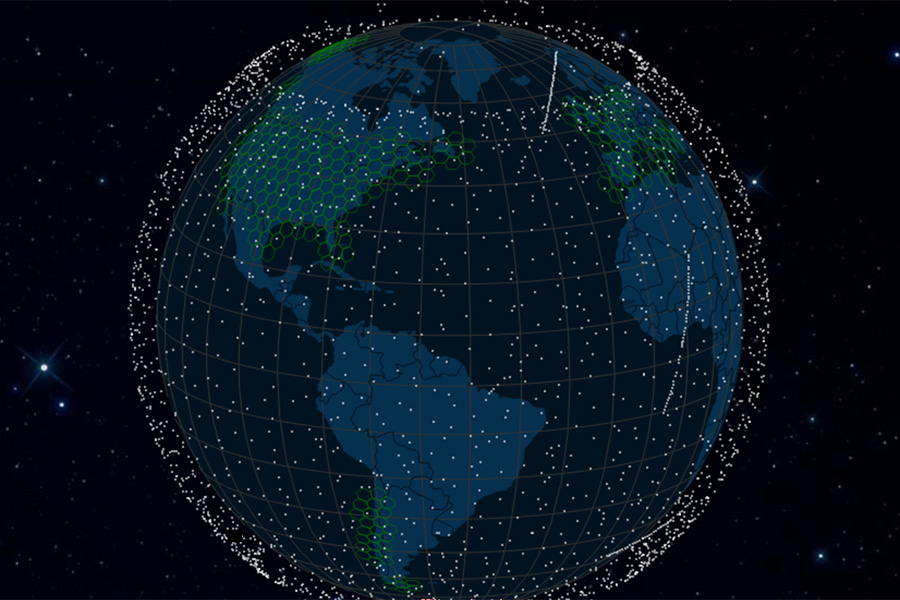
Jonathan McDowell, an astronomer at the Harvard-Smithsonian Center for Astrophysics, has tracked an average of one to two Starlink reentries per day throughout 2025. That number is projected to climb to five daily as SpaceX continues expanding its satellite internet network, which currently includes around 8,500 active satellites out of approximately 12,000 in orbit.
🌍 Environmental Impact Escalates
The current pace of deorbiting marks a dramatic shift from pre-2019 norms, when only 40–50 satellites reentered Earth’s atmosphere annually. SpaceX now deorbits that volume in mere weeks, releasing an estimated 15,000 kilograms of aluminum oxide into the upper atmosphere every six months.
Each satellite contributes roughly 30 kilograms of aluminum oxide vapor—a compound linked to ozone layer degradation. Studies show atmospheric aluminum oxide levels rose eightfold between 2016 and 2022, and the recent spike in reentries is intensifying this trend.
McDowell cautioned, “It’s still unclear whether these effects will become significantly harmful—but it’s equally unclear that they won’t. Ongoing research will determine whether we need to rethink our satellite disposal strategies.”

🚀 Space Traffic Management Under Pressure
The rise in satellite reentries coincides with broader challenges in space traffic control. According to the European Space Agency’s 2025 Space Environment Report, intact satellites and rocket bodies now reenter Earth’s atmosphere more than three times per day on average. In some orbital zones, the concentration of active satellites rivals that of space debris.
While Starlink satellites follow controlled deorbiting protocols and pose minimal collision risks, McDowell warned that uncontrolled reentries from other spacecraft are more hazardous. “Every few months, a piece of space hardware reenters and lands as a sizable chunk of debris. We’re essentially taking blind shots at Earth—and so far, we’ve been lucky.”
Regulatory bodies are taking notice. The U.S. Federal Aviation Administration is reviewing new orbital debris mitigation policies, and global space agencies have tightened rules requiring satellites to deorbit within 5 to 25 years of mission completion.








Leave a Reply